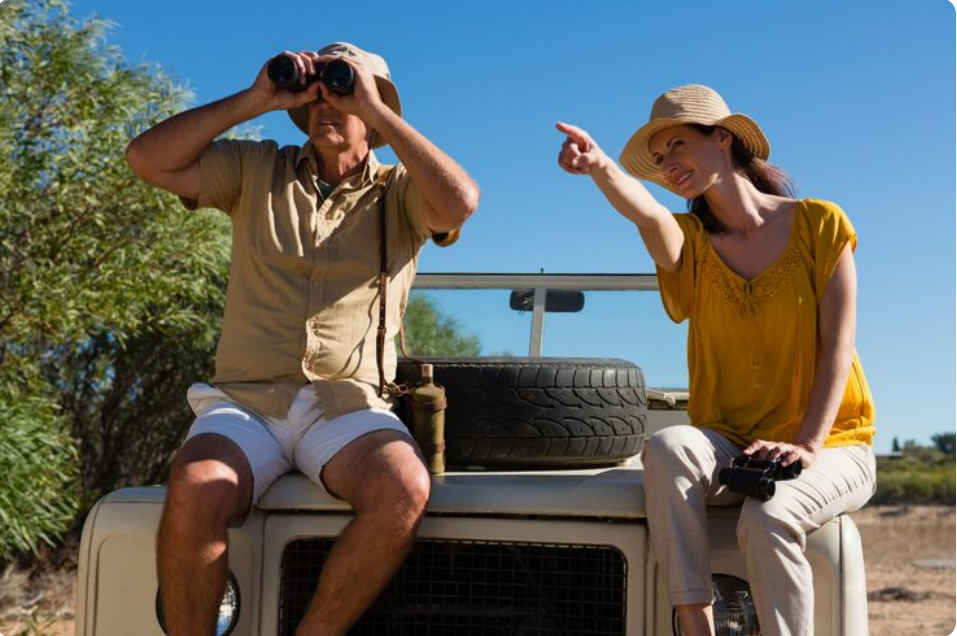
Zambia is known for its wide, unspoiled landscapes and for offering one of Africa’s most authentic safari experiences. With its rich wildlife, varied ecosystems, and natural landmarks of global significance, such as Victoria Falls, the country remains a standout destination for travellers seeking an immersive journey into the wilderness. Here are five reasons why a safari in Zambia is worth considering.
1. The Zambezi River
The Zambezi River, stretching approximately 2,574 kilometres, is Africa’s fourth-longest waterway and a defining natural feature of Zambia. Its floodplains, channels, and riverbanks support a diverse range of wildlife, including hippos, crocodiles, and numerous bird species. The river also provides opportunities for seasonal activities such as boating, canoeing, and catch-and-release fishing. Its presence shapes many of Zambia’s ecosystems and offers travellers a scenic introduction to the country’s natural heritage.
2. Victoria Falls
Shared by Zambia and Zimbabwe, Victoria Falls is one of the world’s largest and most celebrated waterfalls. Known locally as Mosi-oa-Tunya, “The Smoke That Thunders,” the falls span roughly 1.7 kilometres and drop 108 metres into the gorge below. The Zambian side offers pathways through rainforest and viewpoints that reveal the full scale and mist of the falls, especially during the high-water months from February to May. It remains one of Africa’s most iconic natural attractions and a highlight of any visit to the region.
3. Devil’s Pool
During the dry season, typically from mid-August to late December, depending on water levels, travellers can access a natural rock pool at the edge of Victoria Falls. Known as Devil’s Pool, it is reached with the guidance of licensed local operators and offers a unique vantage point over the Zambezi River. Conditions vary throughout the season, and visits are managed carefully to ensure safety. For those interested in a seasonal, water-based experience of the falls, Devil’s Pool is a notable option.
4. South and North Luangwa National Parks
The Luangwa Valley is regarded as one of Africa’s most significant wildlife areas. South Luangwa National Park is known for its populations of elephants, buffalo, lions, leopards, and more than 400 species of birds. Species such as the Thornicroft’s giraffe, found only in this region, add to its appeal. North Luangwa National Park offers an even more remote experience, with limited access and a focus on conservation. Both parks are closely associated with walking safaris, an activity for which Zambia has long been recognised.
5. Kafue National Park
At more than 22,000 square kilometres, Kafue National Park is Zambia’s largest and one of the oldest in Africa. Its landscapes range from woodlands to floodplains, including the open Busanga Plains in the north. These habitats support a variety of wildlife, including large herds of antelope, predators, and extensive birdlife. The dry months from June to October provide the best conditions for wildlife viewing, particularly when the Busanga Plains become accessible.
A safari in Zambia offers a combination of natural landmarks, diverse wildlife, and wide-ranging wilderness areas. For travellers seeking a destination that balances scenery, ecological richness, and a sense of space, Zambia provides a compelling choice.